Çalışma Saatlerimiz
Hafta içi: 09:30–20:00
Cumartesi: 09:30–20:00
Pazar: Kapalı
Working Hours
Weekdays: 09:30–20:00
Saturday: 09:30–20:00
Sunday: Closed
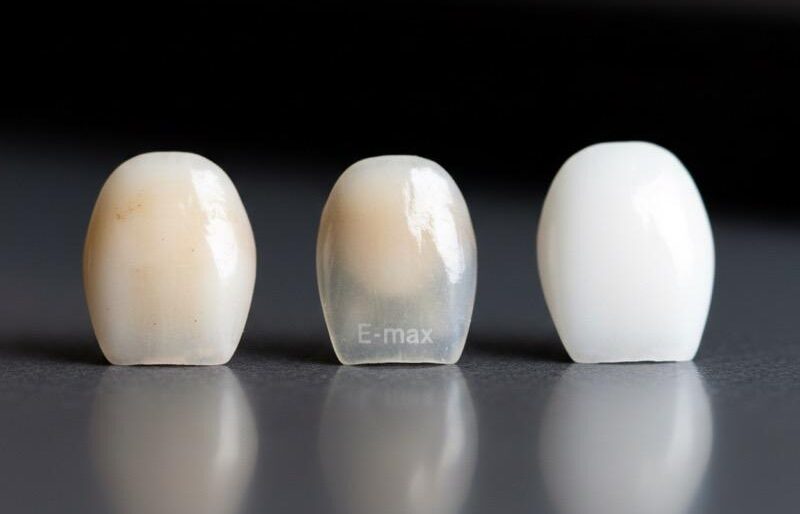
Choosing between zirconia and E-max crowns is not simply a question of which material is “better”. Both are metal-free ceramic options used in contemporary dentistry, but they differ in their optical properties, mechanical characteristics and clinical applications. The best choice depends on the tooth, the bite, the remaining tooth structure and the type of restoration required.
Zirconia is a high-strength dental ceramic. It can be used as a single-piece (monolithic) restoration or with an aesthetic porcelain layer. Different zirconia formulations provide different balances of strength and translucency.
E-max commonly refers to lithium disilicate glass-ceramic. It is known for its aesthetic possibilities and can be used for selected crowns, veneers and partial-coverage restorations. An E-max restoration does not necessarily mean a full dental crown.
| Feature | Zirconia | E-max (lithium disilicate) |
|---|---|---|
| Material | Polycrystalline ceramic | Glass-ceramic |
| Mechanical properties | High strength, depending on formulation | Good performance when appropriately designed |
| Appearance | Available in varying levels of translucency | Often selected for lifelike optical effects |
| Common applications | Selected anterior/posterior crowns and bridges | Selected single crowns, veneers and partial restorations |
| Key decision factors | Bite forces, span, support and aesthetics | Enamel support, bonding, thickness and aesthetics |
These are general tendencies, not rules for every patient. Material generation, restoration design and the clinician’s assessment all matter.
Front-tooth restorations need to blend with neighbouring teeth in colour, shape and light transmission. Lithium disilicate can be particularly useful in selected aesthetic cases. Modern translucent zirconia may also achieve a natural appearance. The colour of the underlying tooth and the amount of masking needed can change the recommendation.
If only the visible surface of a tooth requires modification, a dentist may consider a laminate veneer instead of a full crown, depending on the clinical situation.
Back teeth experience substantial chewing forces. Monolithic zirconia may be suitable for some posterior crowns, while lithium disilicate crowns can also perform well when the preparation, thickness and bonding conditions are appropriate. If you grind your teeth, the dentist should assess the bite and whether additional protective measures are needed. Neither material is immune to complications.
Clinical research supports favourable outcomes for both zirconia and lithium disilicate crowns. A restoration’s lifespan, however, cannot be guaranteed. Tooth preparation, adhesive or cementation protocol, oral hygiene, gum health, bite forces and regular reviews influence long-term results.
Importantly, a crown does not prevent future decay or gum disease around the restored tooth. Daily care remains essential.
Not every damaged or discoloured tooth needs full coverage. Depending on the amount of healthy tooth remaining, veneers, inlays, onlays or other conservative restorations may be considered. A clinical examination should establish whether the goal is primarily aesthetic, structural or both.
Read more about zirconia crowns at Dentadent and the available smile design options.
International patients comparing zirconia and E-max crowns in Turkey should ask about the proposed material, the number of teeth to be treated, the amount of tooth preparation, follow-up needs and possible alternatives. Photographs alone cannot reliably determine which restoration is appropriate; diagnosis and treatment planning require a dental assessment.
Dentadent is located in Bakırköy, Istanbul. If you are considering treatment while travelling, contact the clinic in advance to discuss assessment, scheduling and what records may be useful. Contact Dentadent for further information.
Neither is universally superior. The appropriate material depends on the tooth’s condition, location, bite and aesthetic needs.
It may be suitable for molars when the chosen formulation and restoration design meet the clinical requirements.
No. E-max refers to a ceramic material, whereas a crown and a veneer cover different portions of a tooth.
Some tooth preparation may be necessary, but the amount depends on the restoration and existing tooth structure. Minimally invasive alternatives should be assessed when appropriate.
That depends on examination findings, laboratory workflow, number of restorations and whether other dental treatment is needed. An individual plan is necessary before travel dates are finalised.
Medical information notice: This article offers general educational information and is not a diagnosis or personalised treatment plan. A qualified dentist should review the content before publication and assess individual treatment needs.
