Çalışma Saatlerimiz
Hafta içi: 09:30–20:00
Cumartesi: 09:30–20:00
Pazar: Kapalı
Working Hours
Weekdays: 09:30–20:00
Saturday: 09:30–20:00
Sunday: Closed
Do you wake up with a tired jaw, sore temples or unusually sensitive teeth? These symptoms may be associated with bruxism—repetitive teeth grinding or jaw clenching. However, not every headache or jaw problem is caused by grinding, and a dental examination is the starting point for finding out what is happening.
At Dentadent in Bakırköy, Istanbul, signs of tooth wear, chewing-muscle tenderness and jaw-joint symptoms can be assessed together. This guide explains the possible causes of bruxism, how it is recognised and what a custom night guard can—and cannot—do.
Bruxism refers to clenching or grinding activity involving the teeth and jaw muscles. It can occur while you are awake or during sleep:
Mild or occasional bruxism does not always require treatment. The need for care depends on symptoms, tooth damage, functional problems and individual risk factors.
Joint clicking, locking or restricted opening also deserve assessment. Temporomandibular disorders (TMD) and bruxism are not interchangeable diagnoses, even though some people experience both.
Bruxism has no single established cause. Stress, anxiety and concentration may contribute to awake clenching. Sleep-related factors, certain medications, smoking, alcohol and caffeine may also be associated with grinding in some people. If heavy snoring, breathing pauses or persistent sleep disturbance occur, a separate medical sleep assessment may be appropriate.
Bruxism should not automatically be attributed to an uneven bite. Permanently reshaping teeth or changing the bite is not a routine evidence-based cure for grinding.
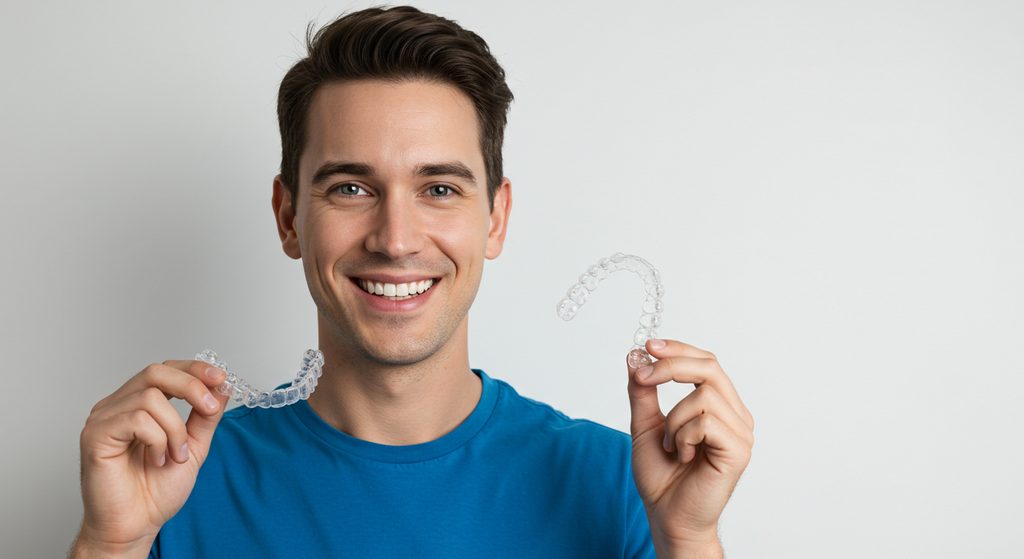
A night guard or occlusal splint is an appliance worn over the teeth, commonly during sleep. A dentist can make a custom-fitted guard designed to help protect teeth and restorations from direct grinding forces.
A night guard does not reliably eliminate bruxism itself. Its main role is protection. Some patients may experience symptom relief, but evidence that splints consistently improve TMD pain is limited. A guard should therefore be recommended as part of an individual management plan rather than as a guaranteed cure.
With a custom guard, the fit and contact points can be reviewed by your dentist. Ready-made products may not suit every person. Stop wearing an appliance and seek professional advice if it causes pain, discomfort or an unexpected change in your bite.
Not everyone who grinds their teeth needs an appliance. Your dentist will weigh the likely benefits, limitations and your own symptoms.
Not necessarily. The duration of use depends on your symptoms, risk of tooth damage and regular clinical review.
No. Bruxism is jaw-muscle activity; temporomandibular disorders involve pain or dysfunction affecting the joint or surrounding structures. They can coexist.
No. A protective night guard is not intended to move teeth as an orthodontic appliance would.
Jaw-muscle overactivity may contribute to temple discomfort in some people. Frequent or severe headaches need appropriate assessment rather than being assumed to be caused by bruxism.
Arrange an assessment if you notice tooth damage, increased sensitivity, recurring jaw soreness or reports of grinding during sleep. Significant jaw locking, difficulty opening or severe pain requires prompt evaluation.
If you are concerned about clenching or grinding, explore Dentadent’s TMJ assessment and treatment information. You can also contact Dentadent in Bakırköy, Istanbul to discuss an appointment. Whether you would benefit from a guard can only be determined after an individual clinical examination.
