Çalışma Saatlerimiz
Hafta içi: 09:30–20:00
Cumartesi: 09:30–20:00
Pazar: Kapalı
Working Hours
Weekdays: 09:30–20:00
Saturday: 09:30–20:00
Sunday: Closed
Gum recession occurs when the gum margin moves away from its usual position and exposes part of a tooth root. You may notice a tooth looking longer, sensitivity to cold drinks or an uneven gumline. Recession does not always mean advanced gum disease, and treatment is not the same for everyone. If you are considering periodontal care in Istanbul, understanding the cause is the first step towards choosing an appropriate approach.
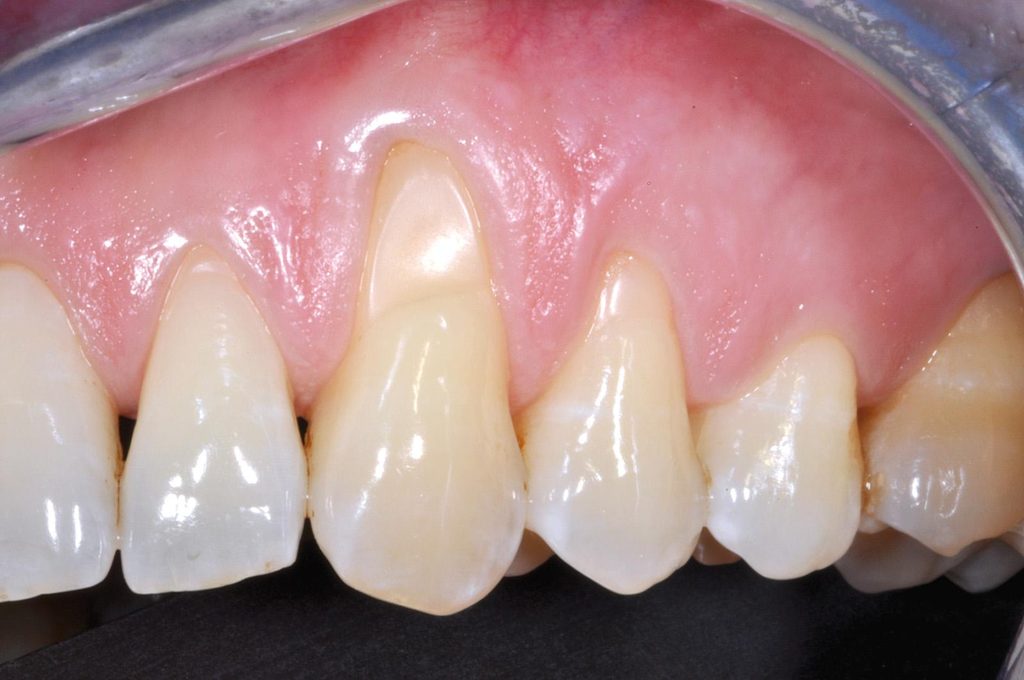
Gums form part of the tissues that surround and support your teeth. When the gumline recedes, a section of the root may become visible. This can affect one tooth or several teeth. The extent of recession, tissue thickness and the condition of the supporting bone all matter when assessing possible treatment.
Gum recession is a finding rather than a single diagnosis. It can be associated with periodontal disease, traumatic brushing or anatomical factors. A clinical examination can help distinguish between these causes.
Dental plaque may trigger gum inflammation. In some people, untreated inflammation progresses to periodontitis, which can damage the supporting tissues and bone. Gum recession may occur alongside bleeding, deeper periodontal pockets and, in more advanced cases, loose teeth.
Using excessive pressure or an abrasive brushing technique can contribute to local trauma. Brushing more forcefully does not necessarily clean teeth more effectively.
Some people naturally have thin gum tissue or prominent tooth roots. Tooth alignment, the position of the tooth within its supporting bone and certain orthodontic movements may also influence recession risk. These factors require individual assessment rather than a blanket assumption that braces cause recession.
Smoking, plaque-retentive dental restorations and local trauma may complicate gum health. Identifying modifiable factors helps the dental team develop a plan aimed at preventing further damage.
If you notice persistent bleeding, swelling, increasing tooth mobility or rapid changes in your gums, arrange a dental examination rather than waiting for the problem to resolve.
Gum tissue that has been lost generally does not grow back to its original position on its own. This does not mean every recession defect requires surgery. Some cases can be monitored after the cause has been controlled, while others may benefit from a procedure designed to cover the exposed root. The amount of root coverage achievable varies, and complete coverage cannot be promised.
Your dentist may review your brushing technique, oral hygiene, inflammation and any local sources of trauma. Professional cleaning, periodontal therapy and an ongoing maintenance programme may be advised if gum disease is present. Learn more about gum disease treatment at Dentadent.
Exposed roots can cause discomfort. Desensitising toothpaste, professional fluoride treatments or, in selected cases, restorative care may help manage symptoms. These options do not replace lost gum tissue.
For selected patients, a periodontist may recommend a gum graft or other root coverage procedure. Decisions depend on tissue thickness, the shape and depth of recession, neighbouring support tissues, sensitivity and personal priorities. Surgery involves potential risks and recovery time, and the outcome varies from patient to patient.
| Clinical finding | Possible approach after examination |
|---|---|
| Mild, stable recession | Review risk factors and monitor |
| Inflamed or bleeding gums | Professional periodontal care and plaque control |
| Exposed, sensitive roots | Sensitivity management and selected restorative options |
| Progressing recession or significant exposure | Periodontal assessment and possible root coverage procedure |
This overview cannot predict which treatment is suitable for an individual tooth.
At Dentadent in Bakırköy, Istanbul, an assessment of gum recession can include gum measurements, periodontal examination and imaging when clinically indicated. The team can discuss whether monitoring, non-surgical care or a specialist procedure may be appropriate. International patients should avoid planning travel around an assumed one-visit surgical solution: appointments, treatment stages and follow-up depend on the findings.
Visit our English contact page to ask about an assessment and how to share relevant dental records before travelling.
No. Recession alone does not necessarily mean tooth loss. However, untreated periodontitis and supporting bone loss can affect tooth stability.
No. Some patients may be monitored after risk factors are addressed, while others may be considered for grafting. A specialist assessment is needed.
Yes. Recession may progress without noticeable pain, although some patients experience sensitivity to cold food and drinks.
A general dentist can carry out an initial assessment. A periodontist specialises in gum disease and procedures involving the supporting tissues.
That may be an option, but suitability, the number of appointments and follow-up requirements should be discussed before booking travel.
Medical note: This article provides general information, not individual medical advice. Diagnosis and treatment require a clinical examination. Clinical review by an appropriate dental professional is required before publication.
