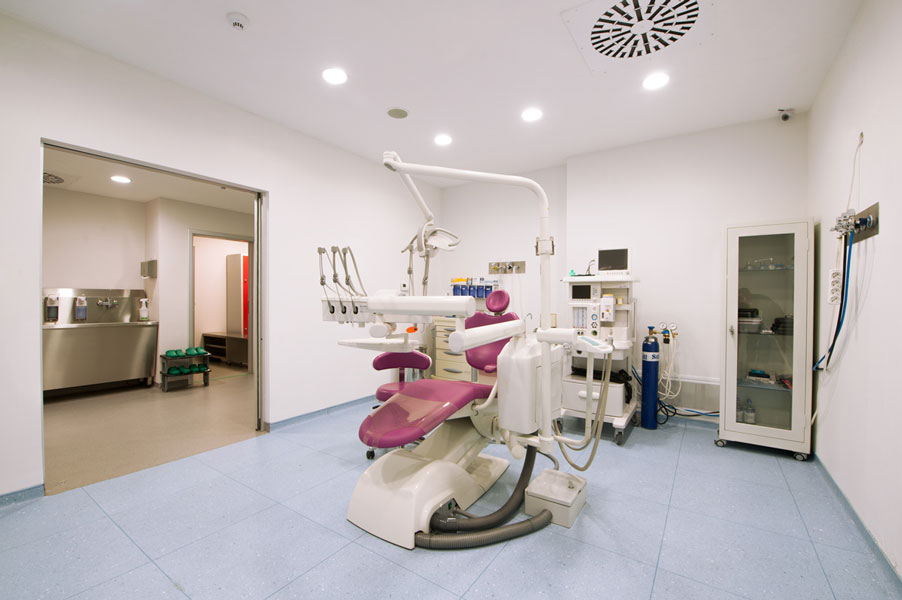
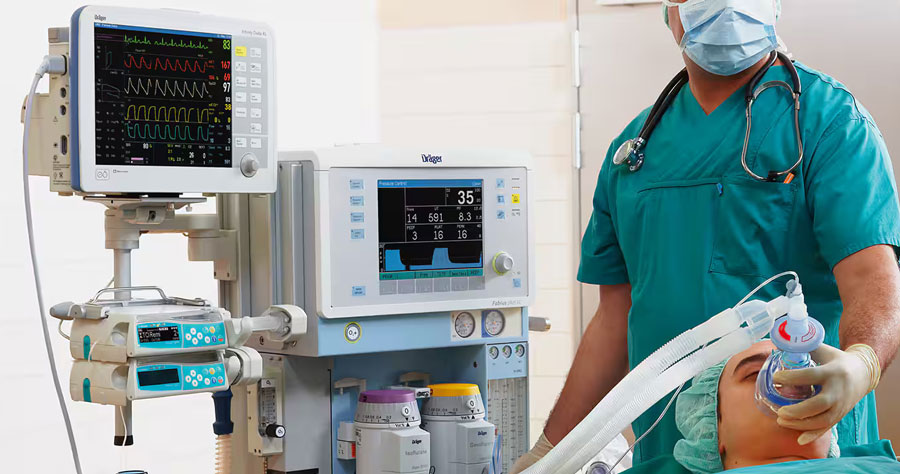
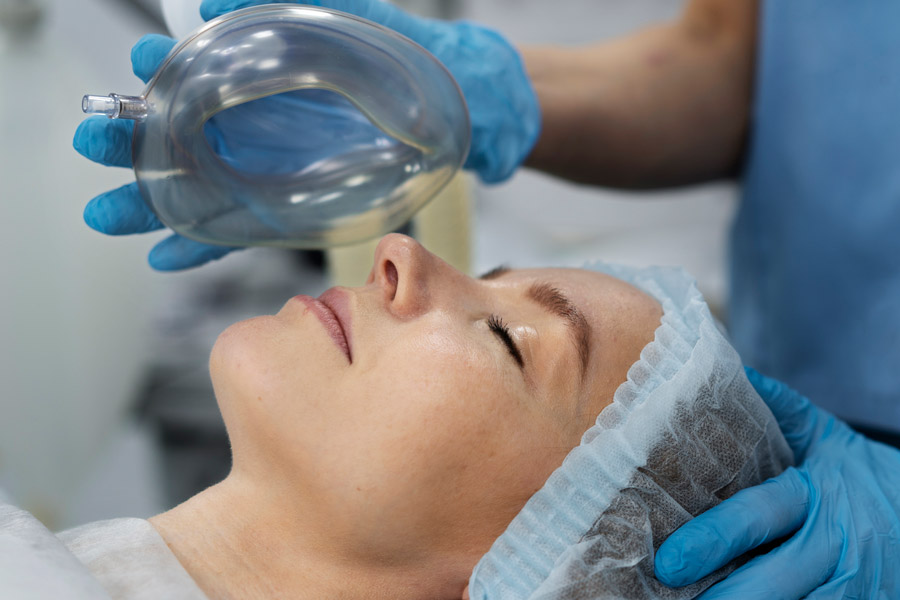
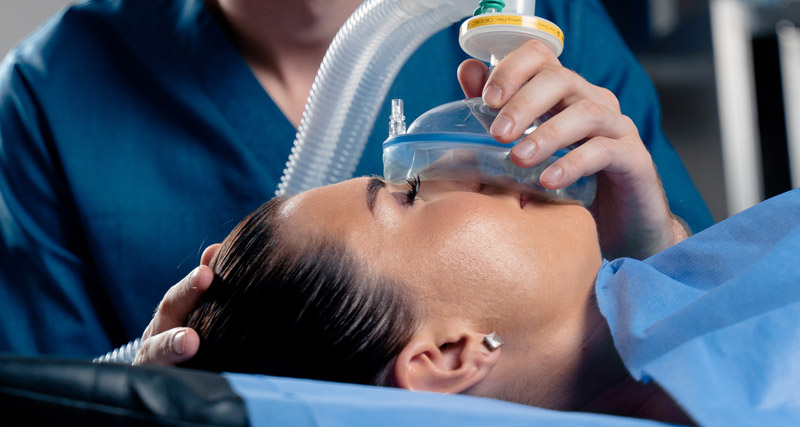
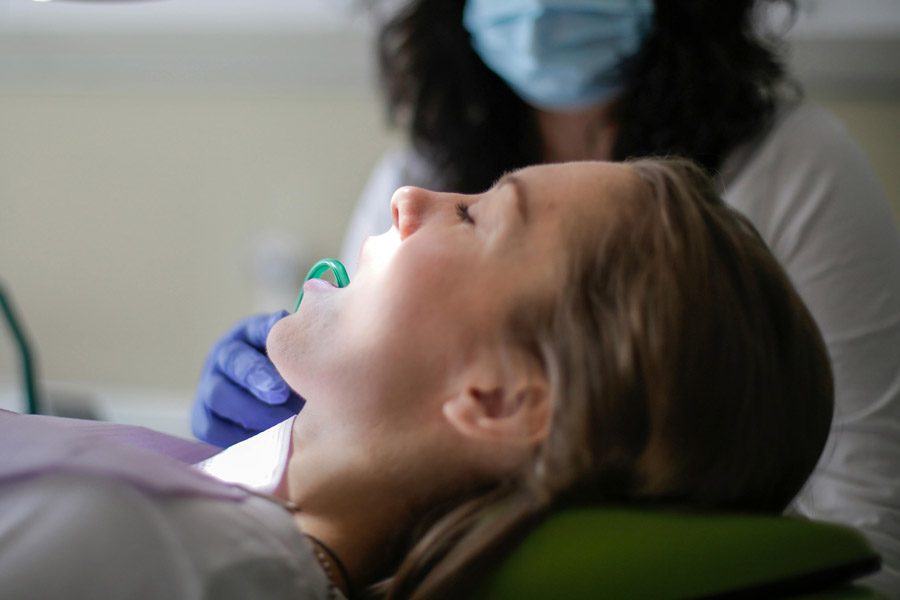
General anesthesia and sedation in dental treatments are safe methods applied to ensure that the patient does not feel pain, fear or stress during the procedure.
Thanks to these applications, a comfortable treatment process is possible, especially for patients who have a fear of dentists or who need long and comprehensive treatments.
What is Sedation? How is it Applied?
Sedation is a controlled method of anesthesia in which the patient is not completely unconscious but is in a relaxed, calm and relaxed state.
The patient is awake but does not remember details of the procedure
Pain and anxiety are minimized
Rapid return to daily life is possible after treatment
Applied under the control of an anesthesiologist
If you are afraid of general anesthesia, you can provide a comfort close to it with sedation in a much safer way.
Advantages of Sedation
Consciousness is suppressed in a controlled manner, the patient is relaxed and carefree
Respiration and reflexes are preserved
Fast recovery and return to daily life after the procedure
The ideal solution for patients with fear of dentists
Disadvantages of Sedation
May not be suitable for very long and extensive surgical procedures
Advantages of General Anesthesia
Provides complete loss of consciousness
Suitable for very long and advanced surgical procedures
Disadvantages of General Anesthesia
Requires operating room conditions and intensive medical follow-up
Recovery time is longer
Is There Pain During Treatment?
No. No pain is felt in procedures performed under sedation or general anesthesia.
Mild sensitivities that may occur after treatment are easily controlled with the medications recommended by the physician.
General anesthesia is a method in which the patient is completely asleep and dental treatment is performed. The patient does not feel anything during the procedure and is completely unconscious.
In particular:
Prolonged surgical procedures
Performing more than one dental treatment in the same session
Preferred for patients who are unable to cooperate.
Who is it suitable for?
General anesthesia and sedation are ideal for the following patient groups:
People with fear of dentists (dentophobia)
Patients with excessive gag reflex
Pediatric patients
Individuals with mental or physical disabilities
Patients with long and comprehensive treatment plans
What are the Transaction Processes?
Pre-Processing
Information about the fasting period
Necessary blood tests and evaluations
Anesthesiologist examination
Post Process
Short rest, same day discharge
Temporary dizziness is normal
Driving is not recommended for the first 24 hours
Why Us?
Experienced dentists and anesthesiologist
Modern medical equipment
Approach based on patient safety
Comfortable and stress-free treatment experience
Appointment and Counseling
You can contact us to get detailed information about dental treatment with general anesthesia or sedation and to determine the most suitable method for you.
OUR EXPERT DENTISTS
DR. DT. NAMIK KEMAL AYHAN ORAL, DENTAL AND MAXILLOFACIAL SURGERY SPECIALIST
DR. DT. HÜSEYIN DEMIRKESEN ENDODONTICS SPECIALIST
DR. DT. BENAN OGUZ ORTHODONTICS SPECIALIST
DR. DT. MERVE SONGUL GUDUK PROSTHODONTICS SPECIALIST
SPEC. DT. CAN SAHIN RESTORATIVE DENTAL TREATMENT SPECIALIST
DR. DT. DILARA ZIYLAN PEDODONTICS SPECIALIST
DR. DT. ESIN ILKEM KURU ORAL, DENTAL AND MAXILLOFACIAL SURGERY SPECIALIST
DT. DR. BILGE KABACAOĞLU PERIODONTOLOGY AND GUM SURGERY SPECIALIST
DR. DT. CEVDET UTKU ORAL, DENTAL AND MAXILLOFACIAL SURGERY SPECIALIST
DR. MELIS BAL PERIODONTOLOGY AND GUM SURGERY SPECIALIST
DT. MURAT KARAKAS RESTORATIVE AND PROSTHODONTIC DENTIST
DR. DT. HANDE BACAK PEDODONTICS SPECIALIST
DR. DT. BUSRA KAYACIOGLU PROSTHODONTICS SPECIALIST
Learn About Dental Treatment with General Anesthesia
Book an appointment
Consult a dentist
Get examined
FREQUENTLY ASKED QUESTIONS ABOUT GENERAL ANESTHESIA
Is dental treatment with general anesthesia safe?
Yes. General anesthesia is an extremely safe method when administered under the control of an anesthesiologist and after all necessary medical evaluations. All vital signs of the patient are closely monitored during the procedure.
Is the patient awake during sedation?
During sedation, the patient is awake, but in a relaxed, calm and relaxed state. Anxiety and stress related to the procedure are minimal and patients often do not remember the treatment process.
For whom is general anesthesia suitable?
General anesthesia especially; Those with fear of dentists (dentophobia)
Pediatric patients
Individuals with special needs
It is an ideal and comfortable treatment option for patients who need long and extensive dental treatments .
Is pain felt during the procedure?
No. Dental treatments performed under sedation and general anesthesia do not cause pain. Mild sensitivity that may occur after treatment is easily controlled with the medications recommended by the physician.
When can I return to normal life after the procedure?
After sedation, patients can usually return to their daily lives the same day.
After general anesthesia, it is possible to return to normal life after a short rest period.
Driving and activities requiring intense attention are not recommended for the first 24 hours.
Hello 👋 Welcome to Dentadent. You can contact us via WhatsApp to book an appointment or get more information.