Çalışma Saatlerimiz Hafta içi: 09:30–20:00 Cumartesi: 09:30–20:00 Pazar: Kapalı
Working Hours Weekdays: 09:30–20:00 Saturday: 09:30–20:00 Sunday: Closed
Çalışma Saatlerimiz Hafta içi: 09:30–20:00 Cumartesi: 09:30–20:00 Pazar: Kapalı
Working Hours Weekdays: 09:30–20:00 Saturday: 09:30–20:00 Sunday: Closed
Oral, Dental and Maxillofacial Surgery applications
From intraoral surgical procedures to impacted teeth, from implant surgery preparations to guidance in suspected cyst/tumor cases; we manage the process with a focus on accurate diagnosis, planned surgery and patient comfort.
30+ Years of Experience · Expert Dental Team · Modern Technology
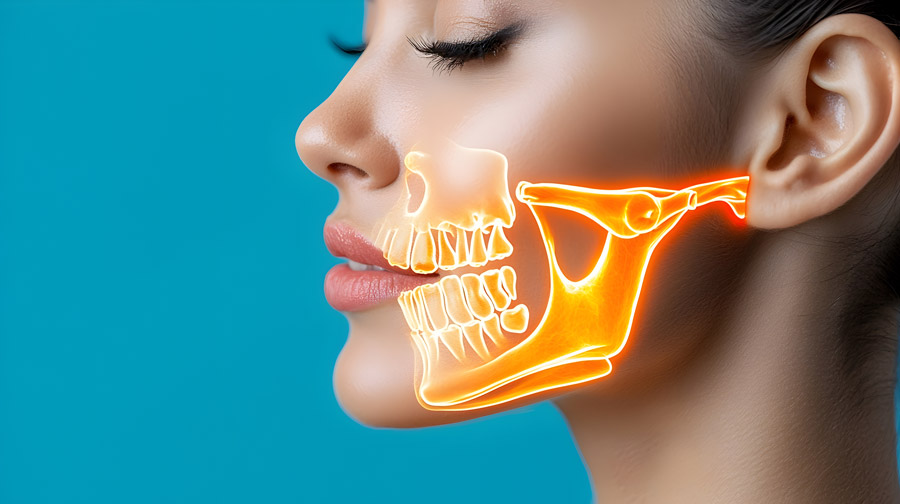
Oral, Dental and Maxillofacial Surgery is a specialty area in which problems occurring in the soft tissues of the mouth (tongue, cheek, palate, lip), jaw bones, impacted teeth and related tissues are evaluated with a surgical approach. At Dentadent, the aim is not only to perform the procedure, but also to provide safe surgery with the right indication, predictable recovery and comfortable patient experience.
Who is Suitable for Jaw Surgery?
If you have any of the following conditions, you may need a jaw surgery evaluation:
Age 20 (impacted) tooth-induced pain, pressure, suspicion of infection
Those who need problematic tooth extraction (broken root, difficult extraction, etc.)
Cases requiring further planning due to pre-implant bone insufficiency
Swelling in the mouth, suspicion of cyst/tumor, presence of non-healing lesion
Those who have complaints such as pain / stiffness in jaw movements and need joint-related evaluation
In maxillofacial surgery applications; procedures such as impacted tooth extractions, surgical extractions, bone preparation for implant surgery and evaluation of intraoral lesions are planned according to the need. Our goal is not only to intervene, but also to provide comfortable recovery with accurate diagnosis and safe surgical planning.
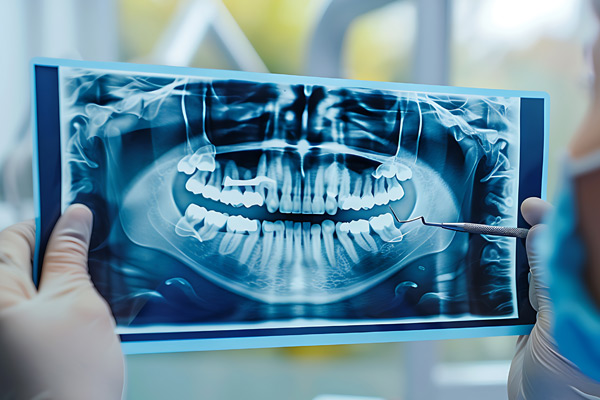
Maxillofacial surgery begins with intraoral examination and radiologic evaluation. The type of procedure, anesthesia option and recovery plan are determined according to the need; safe results are aimed with controlled follow-up throughout the process.
With the right indication and planning, maxillofacial surgery helps to eliminate the source of pain, reduce the risk of infection and maintain long-term oral health.
Jaw surgery applications at Dentadent are carried out comfortably and safely thanks to modern techniques, radiological planning and expert approach. During the treatment process, the comfort of our patients and the post-procedure follow-up plan are kept at the highest level.
Specialized Team in Maxillofacial Surgery
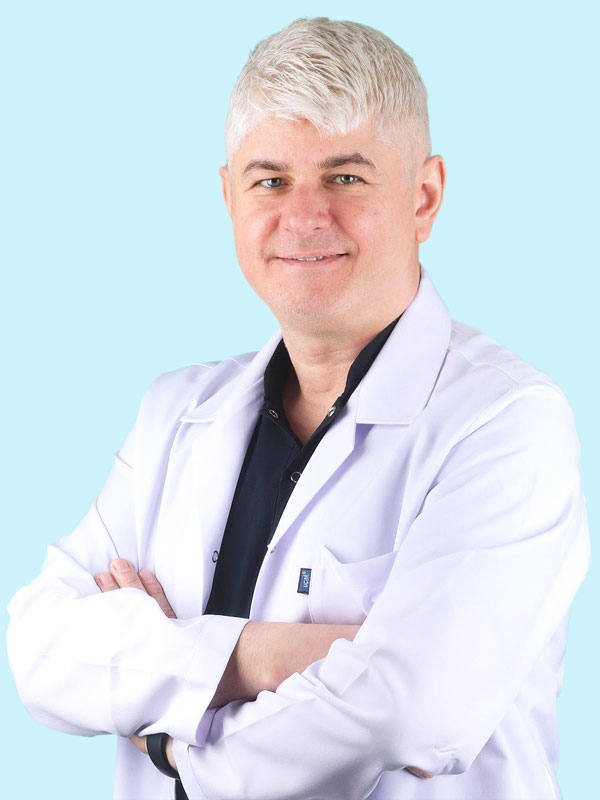
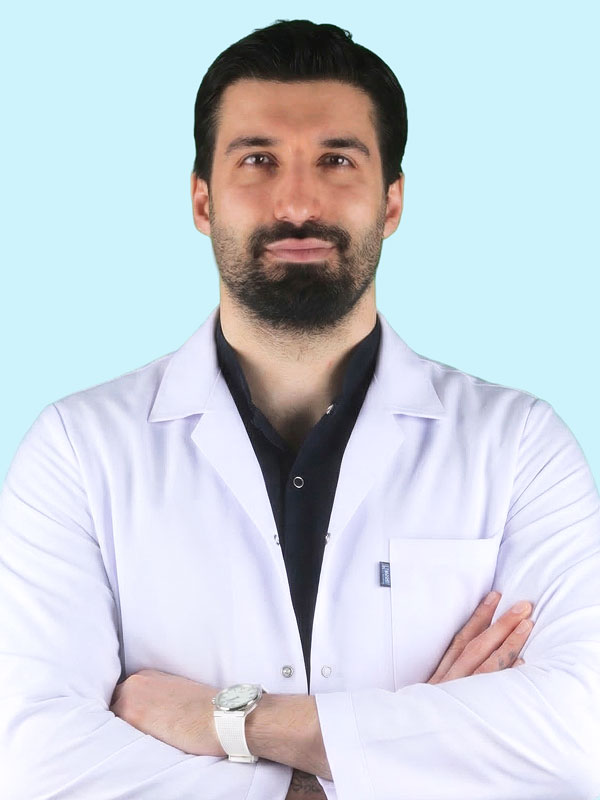
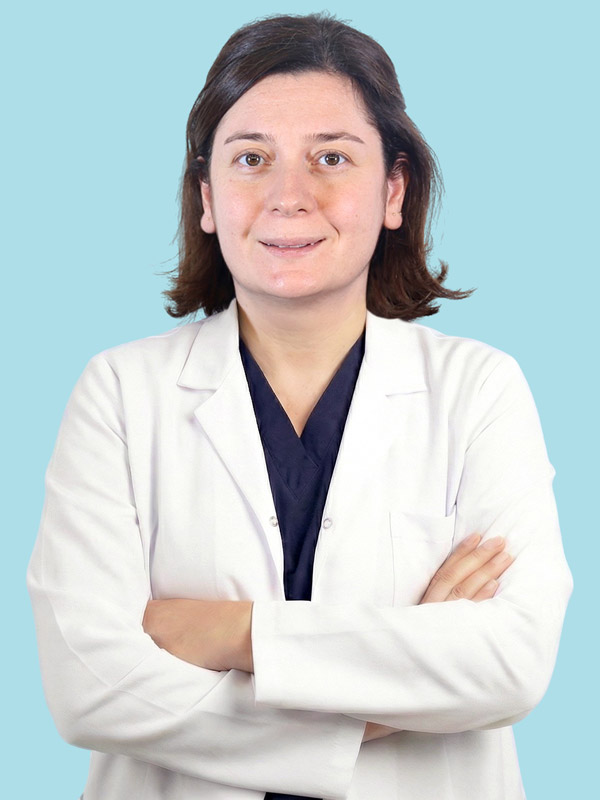
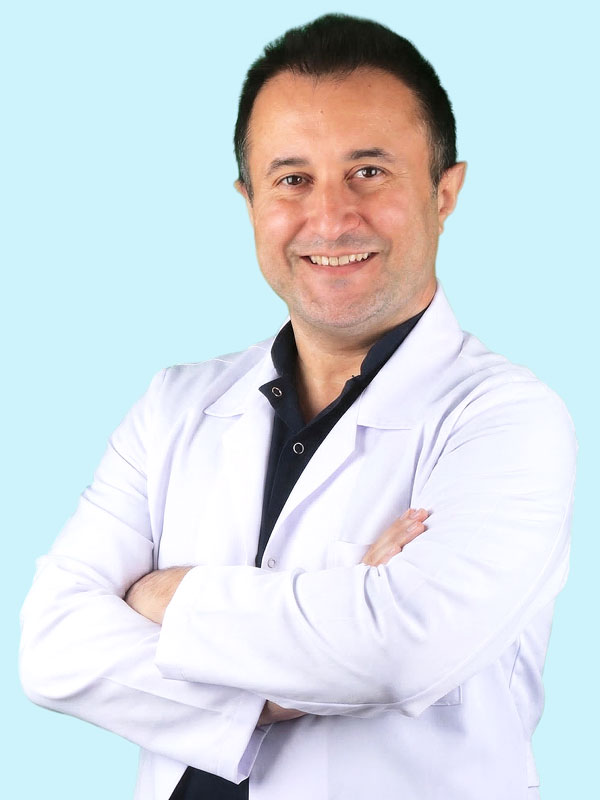
Surgical procedures require accurate diagnosis, experience and disciplined follow-up. With our team of specialized physicians, we make special planning for each patient; with the necessary branches (e.g. Orthodontics, Implant Treatment) we manage the process with consultation.
OUR EXPERT DENTISTS
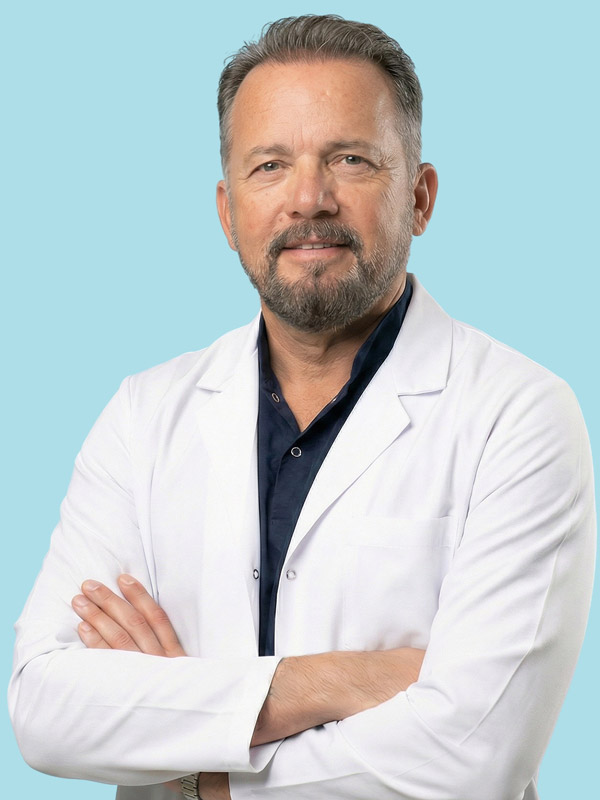
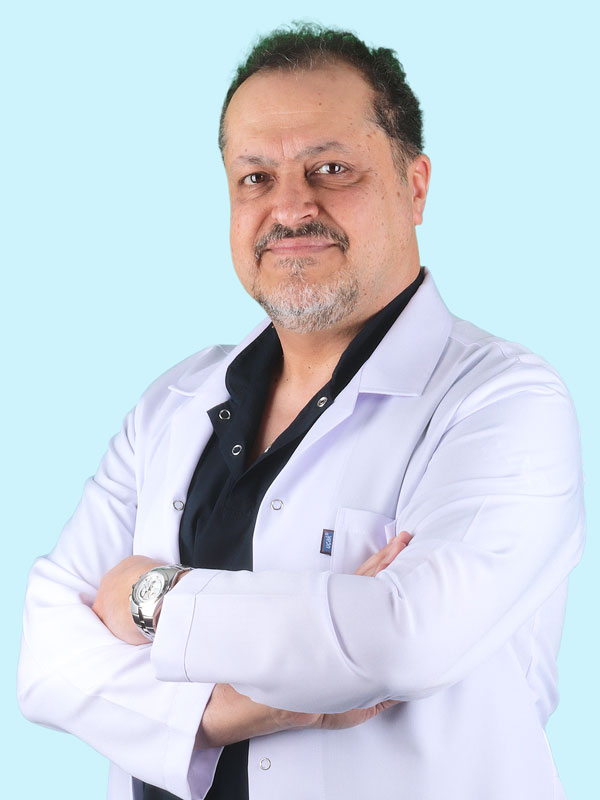
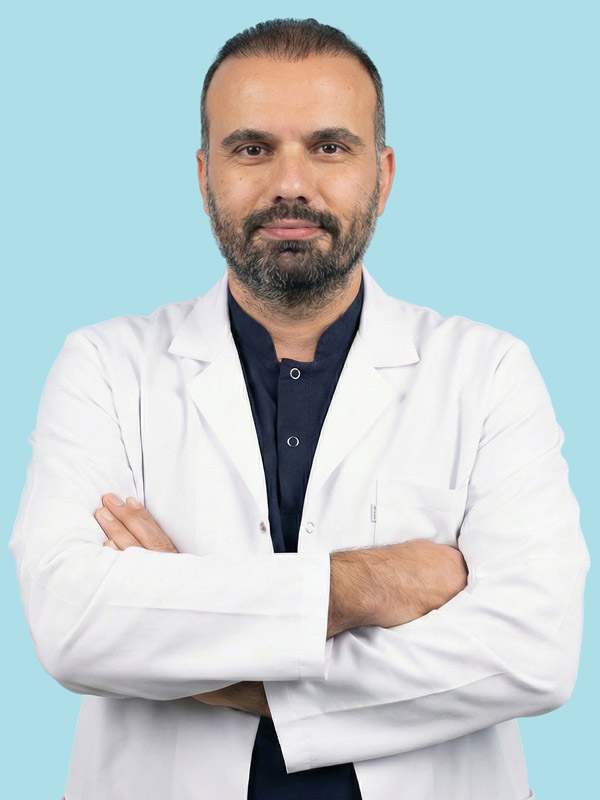
DR. DT. NAMIK KEMAL AYHAN ORAL, DENTAL AND MAXILLOFACIAL SURGERY SPECIALIST
DR. DT. HÜSEYIN DEMIRKESEN ENDODONTICS SPECIALIST
DR. DT. BENAN OGUZ ORTHODONTICS SPECIALIST
DR. DT. MERVE SONGUL GUDUK PROSTHODONTICS SPECIALIST
SPEC. DT. CAN SAHIN RESTORATIVE DENTAL TREATMENT SPECIALIST
DR. DT. DILARA ZIYLAN PEDODONTICS SPECIALIST
DR. DT. ESIN ILKEM KURU ORAL, DENTAL AND MAXILLOFACIAL SURGERY SPECIALIST
DT. DR. BILGE KABACAOĞLU PERIODONTOLOGY AND GUM SURGERY SPECIALIST
DR. DT. CEVDET UTKU ORAL, DENTAL AND MAXILLOFACIAL SURGERY SPECIALIST
DR. MELIS BAL PERIODONTOLOGY AND GUM SURGERY SPECIALIST
DT. MURAT KARAKAS RESTORATIVE AND PROSTHODONTIC DENTIST
DR. DT. HANDE BACAK PEDODONTICS SPECIALIST
DR. DT. BUSRA KAYACIOGLU PROSTHODONTICS SPECIALIST
Schedule your appointment for the most suitable jaw surgery for you.
Make an appointment online
Consult a dentist
Free medical examination
Frequently Asked Questions About Jaw Surgery
Are jaw surgery procedures painful?
Most procedures are performed comfortably under local anesthesia. Post-procedure sensitivity is usually controlled in a short time with the care and medication plan recommended by your physician.
Is there swelling after impacted wisdom tooth extraction?
Mild to moderate swelling may be observed in the first days. With cold application and recommended care, swelling usually decreases within days.
How long is the recovery period?
It depends on the type of procedure and individual recovery speed. The exact procedure is determined after examination and planning.
Is sedation or general anesthesia possible?
Where necessary sedation or general anesthesia options can be considered. Appropriateness is clarified by the physician’s assessment.
Is jaw surgery required before implant?
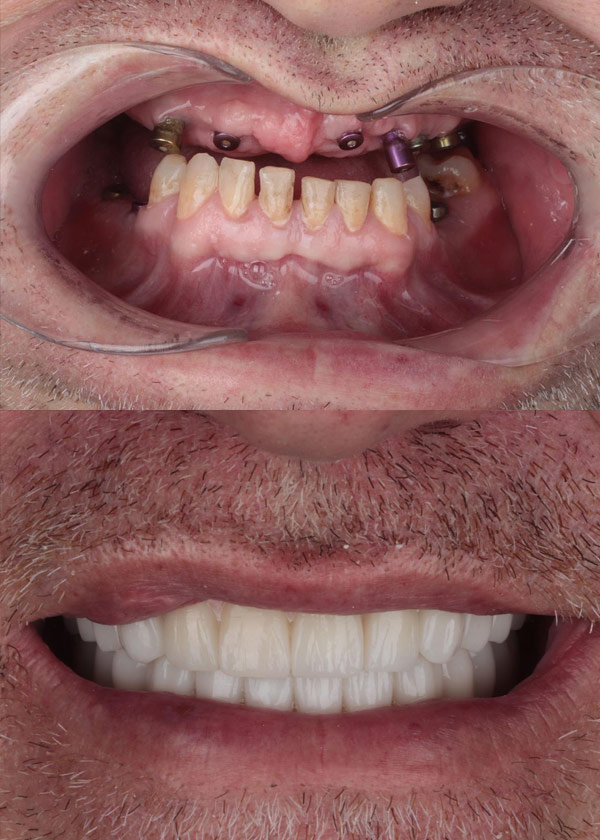
In some cases, surgical procedures may be planned to supplement bone volume or prepare the site. For evaluation Oral Diagnosis / Radiology they may need to be monitored.
Can jaw surgery be performed on everyone?
Assessment is made according to general health status and oral findings. Eligibility is determined by a detailed examination.
Hello 👋 Welcome to Dentadent. You can contact us via WhatsApp to book an appointment or get more information.